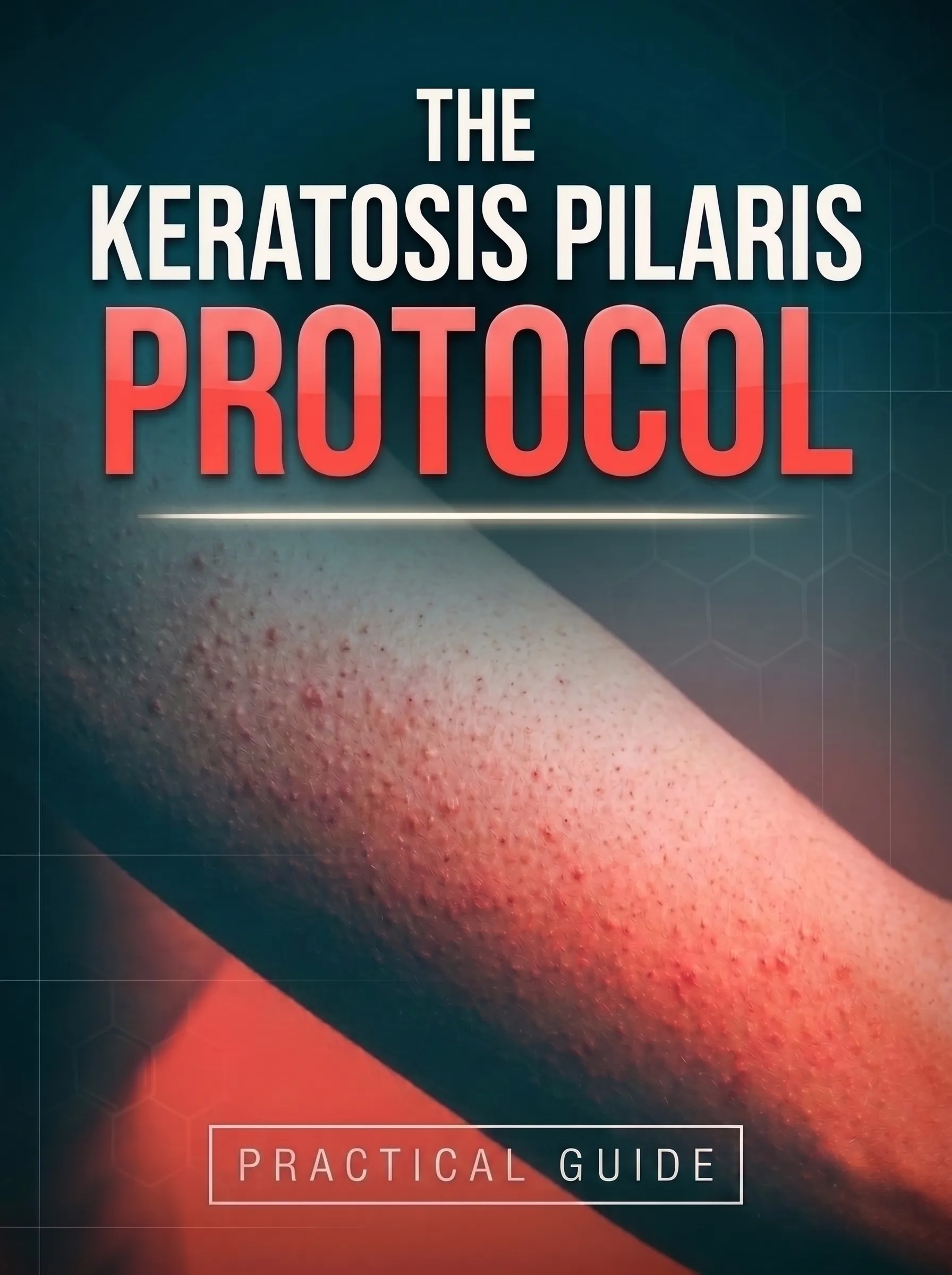
Companion hub · free for every reader
The KP product matrix. Every pick from the book, by phase.
The exact lotions, creams and washes recommended in The Keratosis Pilaris Protocol for “strawberry skin” and “chicken skin”, with the concentration, strength and who each one is for. Kept up to date as formulas change.
Last reviewed: October 2026 7 products Links go to Amazon.com (US)
Phase 1 · Weeks 1–2
Barrier reset
Stop the stinging first. A non-stripping cleanser and the gentlest keratolytic rebuild the skin barrier so the stronger actives can work later without irritation.
-
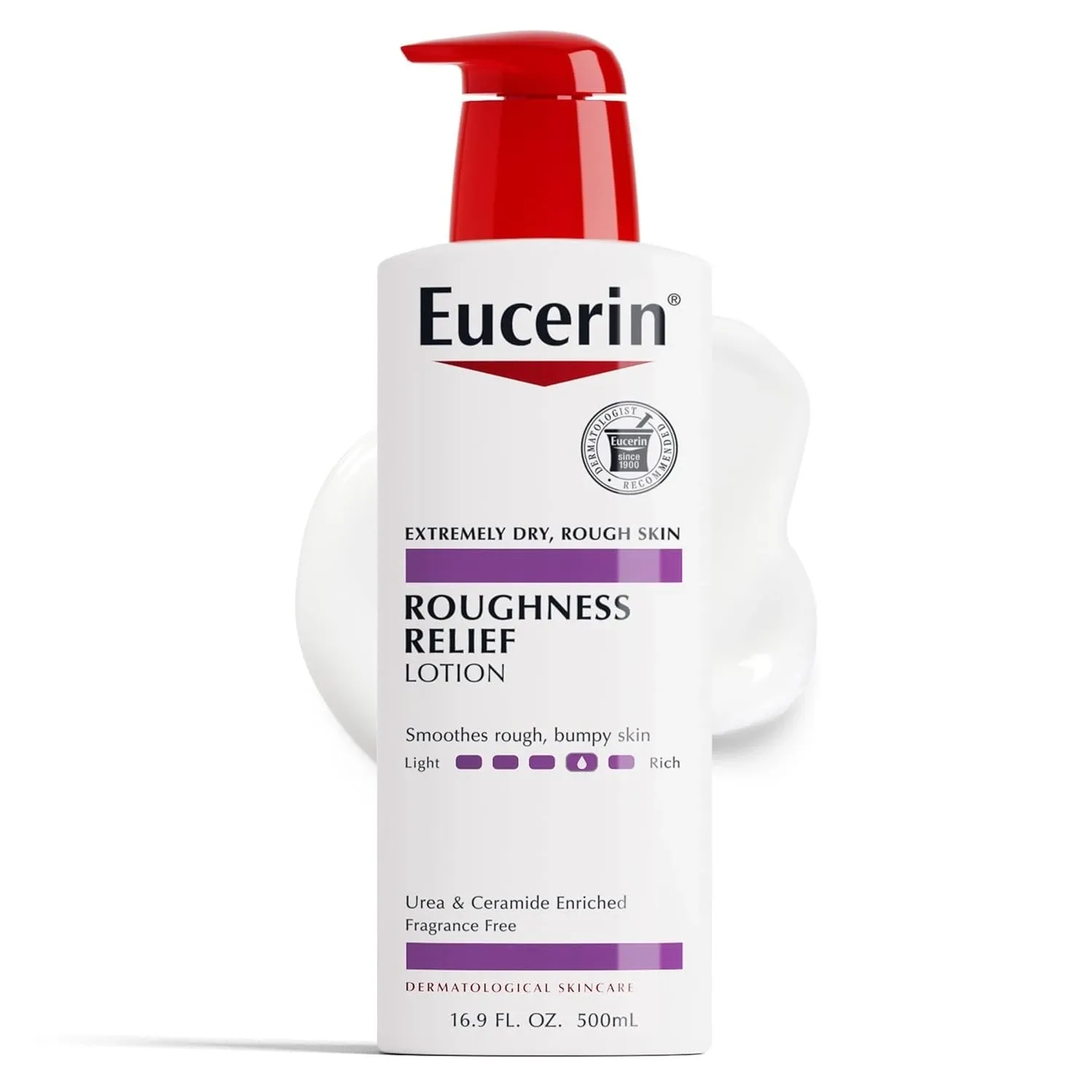 Phase 1–2 Gentlest start
Eucerin
Roughness Relief Lotion
Urea + Ceramide NP · 10%
Strength- Best for
- Dry, sandpapery skin and highly sensitive barriers.
- Why it works
- Unfolds dense keratin bonds with minimal stinging.
-
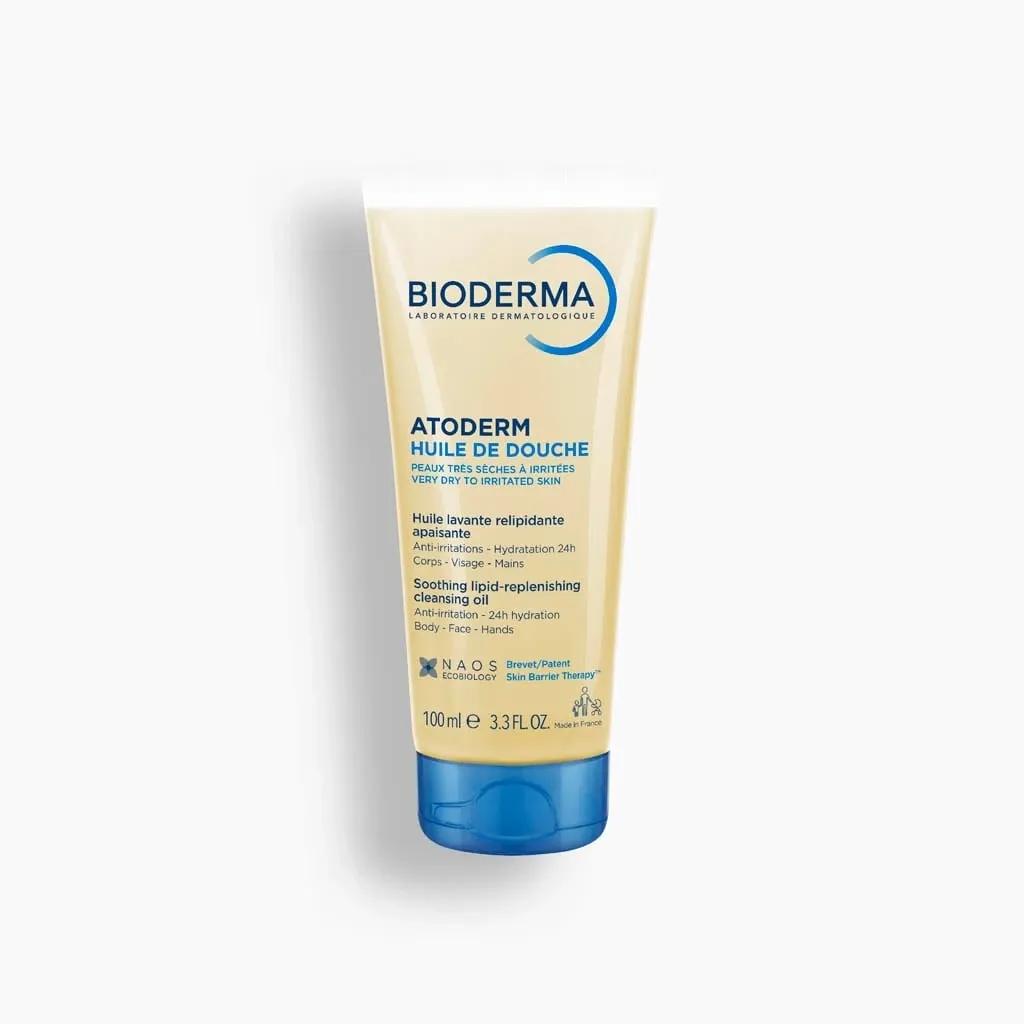 Phase 1
Bioderma
Atoderm Cleansing Oil
Lipid-replenishing shower oil · Oil
Strength- Best for
- Phase 1 barrier reset and reactive, stinging skin.
- Why it works
- Cleans without stripping the intercellular lipid “mortar”.
Phase 2 · Weeks 3–6
Active clearance
Now dissolve the plugs. Pick one leave-on active for your bump type: lactic acid for rough texture, salicylic acid for red bumps. Then add a medicated wash if you like.
-
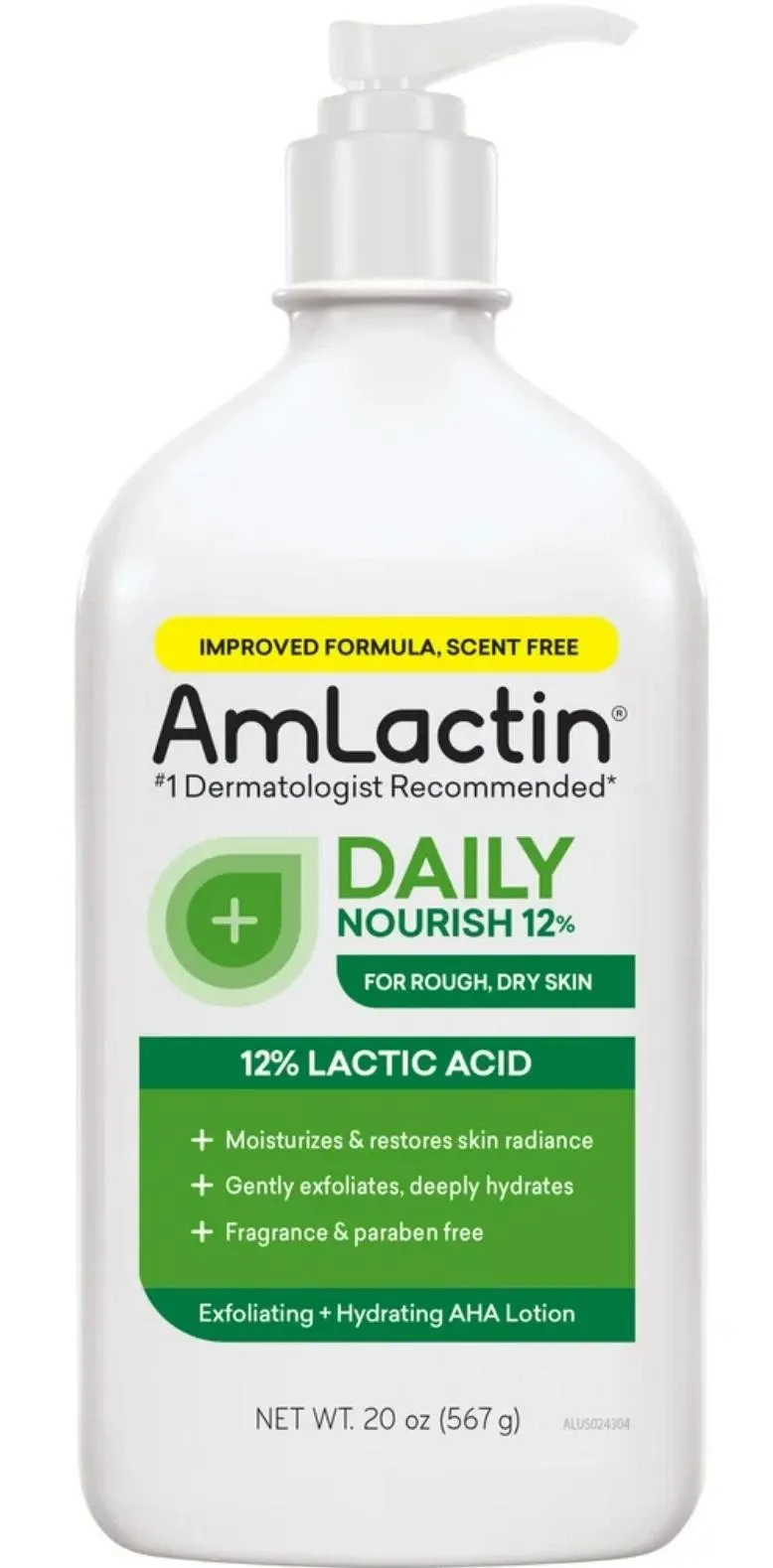 Phase 2 Editor’s pick
AmLactin
Daily 12% Lactic Acid Lotion
Ammonium Lactate (AHA) · 12%
Strength- Best for
- Classic rough bumps on upper arms and thighs.
- Why it works
- High-potency desquamation plus deep humectant hydration.
-
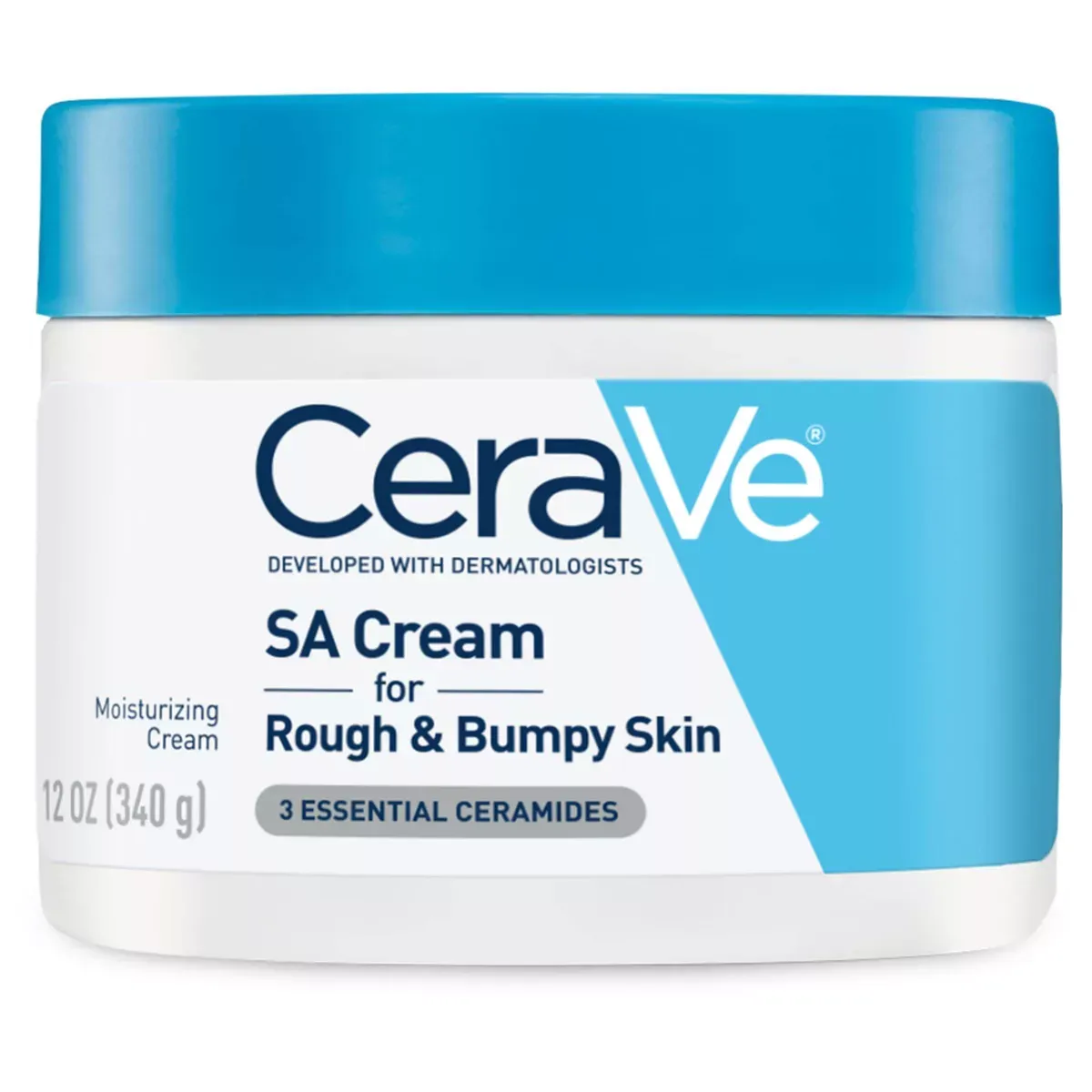 Phase 2
CeraVe
SA Cream for Rough & Bumpy Skin
Salicylic Acid + 3 Ceramides · 2%
Strength- Best for
- Inflamed red papules (KP Rubra) and strawberry legs.
- Why it works
- Oil-soluble BHA reaches into the follicle; MVE time-release.
-
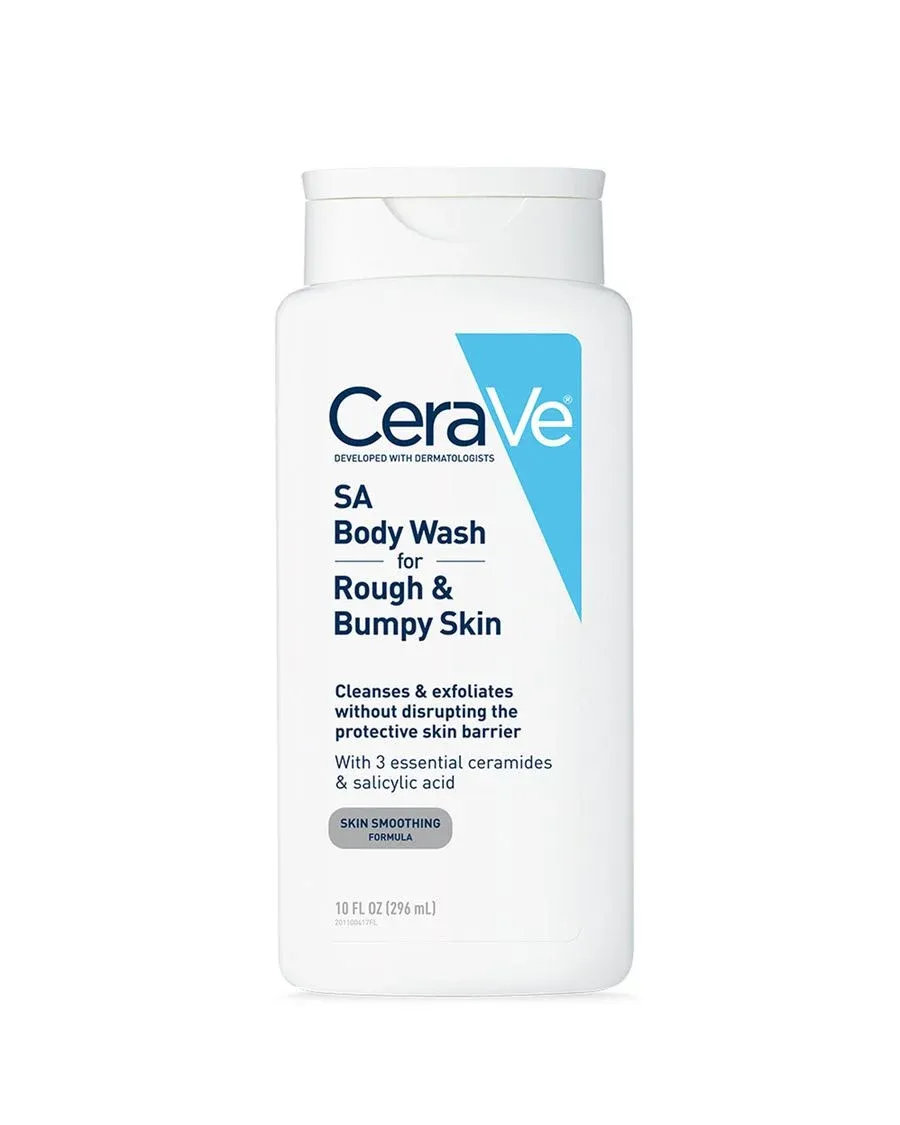 Phase 2–3
CeraVe
SA Smoothing Body Wash
Salicylic Acid + Ceramides · 2%
Strength- Best for
- A non-abrasive shower step for bumpy arms and legs.
- Why it works
- Replaces the loofah: gentle chemical exfoliation in the shower.
-
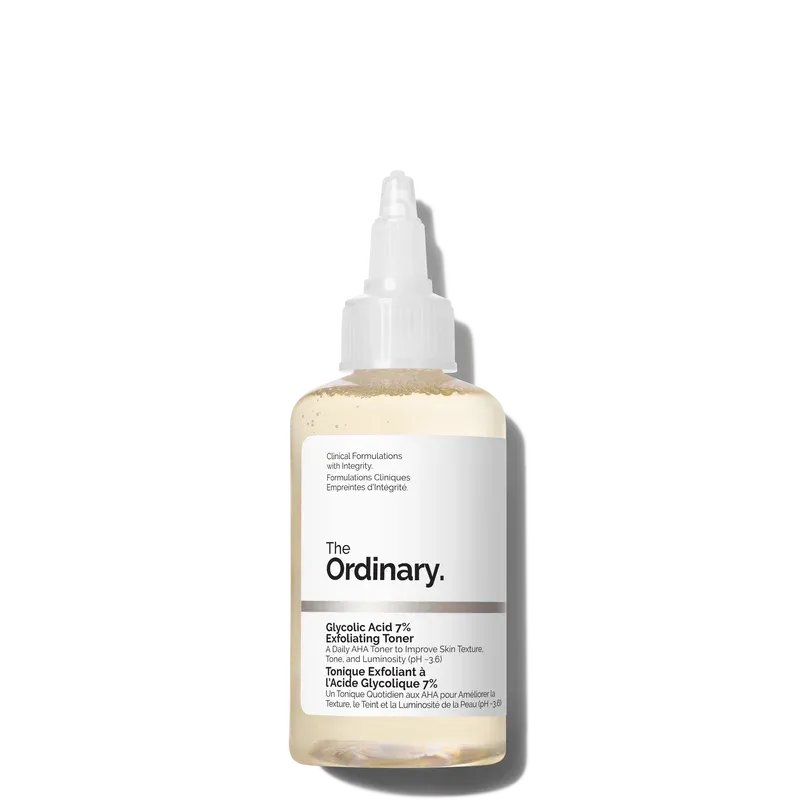 Phase 2–3
The Ordinary
Glycolic Acid 7% Toning Solution
Glycolic Acid (AHA) · 7%
Strength- Best for
- Post-inflammatory dark marks and strawberry-leg pores.
- Why it works
- Small AHA molecule fades residual discoloration.
Advanced · After 6 weeks, if needed
When standard acids stall
For stubborn bumps that haven’t responded to a full Phase 2. Introduce slowly, two nights a week, and never on the same night as an acid.
-
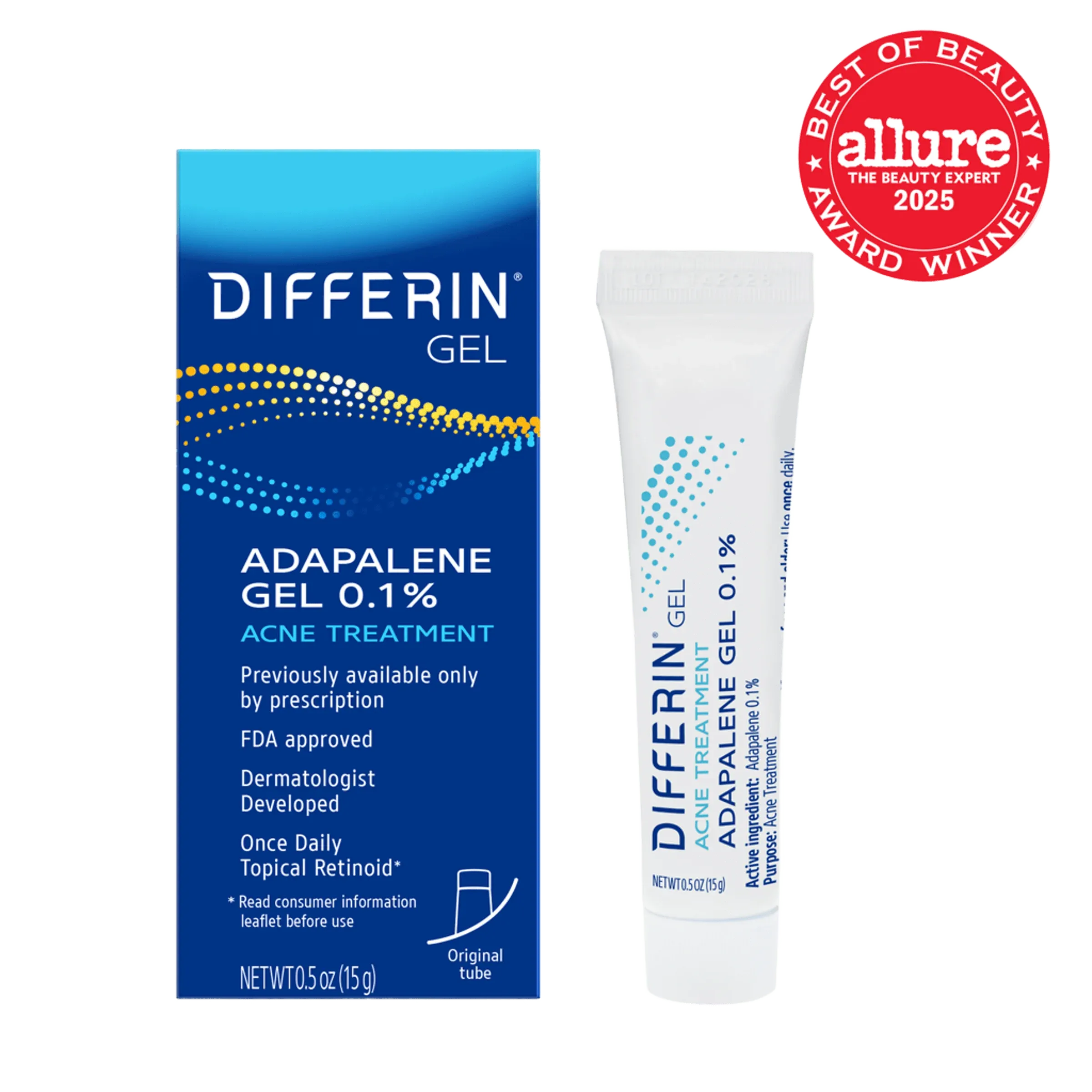 Advanced
Differin
Adapalene Gel 0.1%
Retinoid · 0.1%
Strength- Best for
- Recalcitrant bumps that resist standard AHAs.
- Why it works
- Normalizes follicular shedding. Introduce 2× per week.
How products make this list
- Studied actives, studied doses
- Urea 10–20%, lactic acid 12%, salicylic acid 2%: the concentrations used in the published research.
- A pH that actually works
- Acids only exfoliate below roughly pH 4.0. Formulas buffered too high do little.
- Barrier-friendly bases
- Ceramides and humectants over fragrance and alcohol, because KP skin is already filaggrin-deficient.
- No paid placements
- No brand has paid to be listed. Commissions never decide what goes on this page.
Outside the US?
These links go to Amazon.com. In the UK, Canada or Australia, search your local store for the active ingredient and its percentage: “urea 10% lotion”, “lactic acid 12%”, “salicylic acid 2% body cream”. Those two numbers matter more than the brand.
Before you start
- Patch-test every new active on a small area for 48 hours.
- Use one exfoliating active per night. Never layer adapalene with an acid on the same night.
- Acids make skin more sun-sensitive: use SPF 30+ on treated areas that see the sun.
- Adapalene (a retinoid) is not recommended during pregnancy or breastfeeding.
- Persistent burning, swelling or spreading redness means stop and see a dermatologist.
This page is a cosmetic reference, not medical advice. If you are pregnant, breastfeeding, treating a child or have another skin condition, check with a board-certified dermatologist first.